
Daily Flash Reports: What They Are And What They Don’t Tell You
Get context on your restaurant sales.
If you’re checking your restaurant sales daily because cash feels tight, it’s not visibility that’s the issue, but context.
Get context on your restaurant sales.
If you’re checking your restaurant sales daily because cash feels tight, it’s not visibility that’s the issue, but context.

It’s common for restaurant owners to keep checking the numbers when something feels off. Refreshing daily sales, scanning weekly summaries and digging into POS dashboards, hoping the next report will explain why the cash in the bank does not match how busy the restaurant feels.
But refreshing the same reports will not fix the problem. Guessing where the money has gone or trying to piece together an explanation only adds frustration. The information is there, but it is not able to give you the full picture.
A daily flash report should give you clarity and control. So let’s explain what a proper flash report actually does, why your restaurant needs one, and what is usually missing from the versions most owners rely on.

A daily flash report is a short-term snapshot of your business activity. They’re lightweight by design and the numbers within them will move fast. In most businesses it will include:
However, they often won’t include things like labor costs, food and beverage costs, payroll timing, vendor payments, tax exposure, cash movement, and debt obligations. They show you what happened, fast, not why or what to do next. That’s not an issue, it’s just what they’re built to do.

Most restaurant owners only turn to daily or weekly flash reports when something feels off.
You’re busy but the bank balance doesn’t reflect it. Payroll feels tighter than expected. Some months don’t line up with sales. When the numbers don’t match the reality on the floor, it’s a sign something needs attention.
Checking reports more often can feel responsible. But frequency alone doesn’t create understanding. What matters is knowing what the numbers are really telling you.

Sales alone don’t explain your financial health, although they’re a great signal. Without context around labor, cost of goods, debt payments, cash timing and tax obligations, a flash report will just create more questions, not confidence.
Think of it like a social media post, just because viewing numbers go up, it doesn’t mean instant revenue, and seeing those numbers more often won’t mean you’ve seen the whole picture.

Most flash report searches are led by this issue, but remember, restaurants don’t struggle because their sales are low, it’s because cash moves differently than revenue.
Common disconnects include:
Daily/weekly snapshots don’t reveal these mismatches but often hide them. This isn’t down to you not paying attention to your business but that you’re focusing on the wrong aspect.

Flash style reporting does have its uses in limited situations.
It makes sense if you’re looking at:
In our experience it only works well as a small input inside a bigger, trusted reporting system, that is grounded in numbers that already reconcile. Don’t expect a flash report to carry too much importance, as it’s not designed to.

We don’t build businesses around daily snapshots, because we’d rather focus on creating stability, then clarity.
This includes monthly financial reporting as the foundation, and cash flow forecasting when timing or growth starts to add pressure. We use solid benchmarks so your numbers mean something and offer tax planning so you don’t suffer any hidden surprises.
We know your sales data is important, but it’s one input of many, and not the final answer. The goal isn’t to watch your business more closely, but to help you understand it so well that constant monitoring isn’t needed.
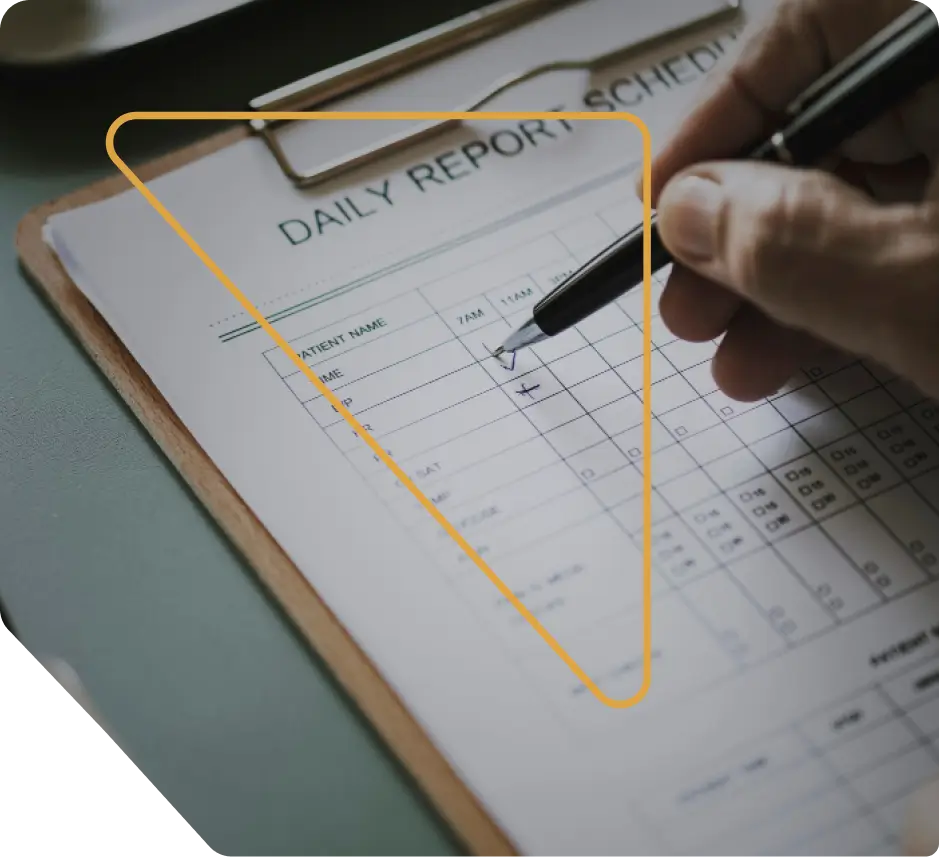
Flash reports are often created during times of stress. They’re a response to something scaring you within your business and shouldn’t be treated as a long-term solution.
Real control comes from understanding how money actually moves through the business, trusting your numbers because they reconcile, knowing what’s coming before it hits your bank account and making decisions with time, not urgency.
We offer that, and help you as restaurant owners feel secure again so you can build for the future.
If daily or weekly sales checks feel necessary, then that’s a signal you need to listen to. Not because you need more reports but because your business needs clearer ones.
We’re ready when you are.